go to English version
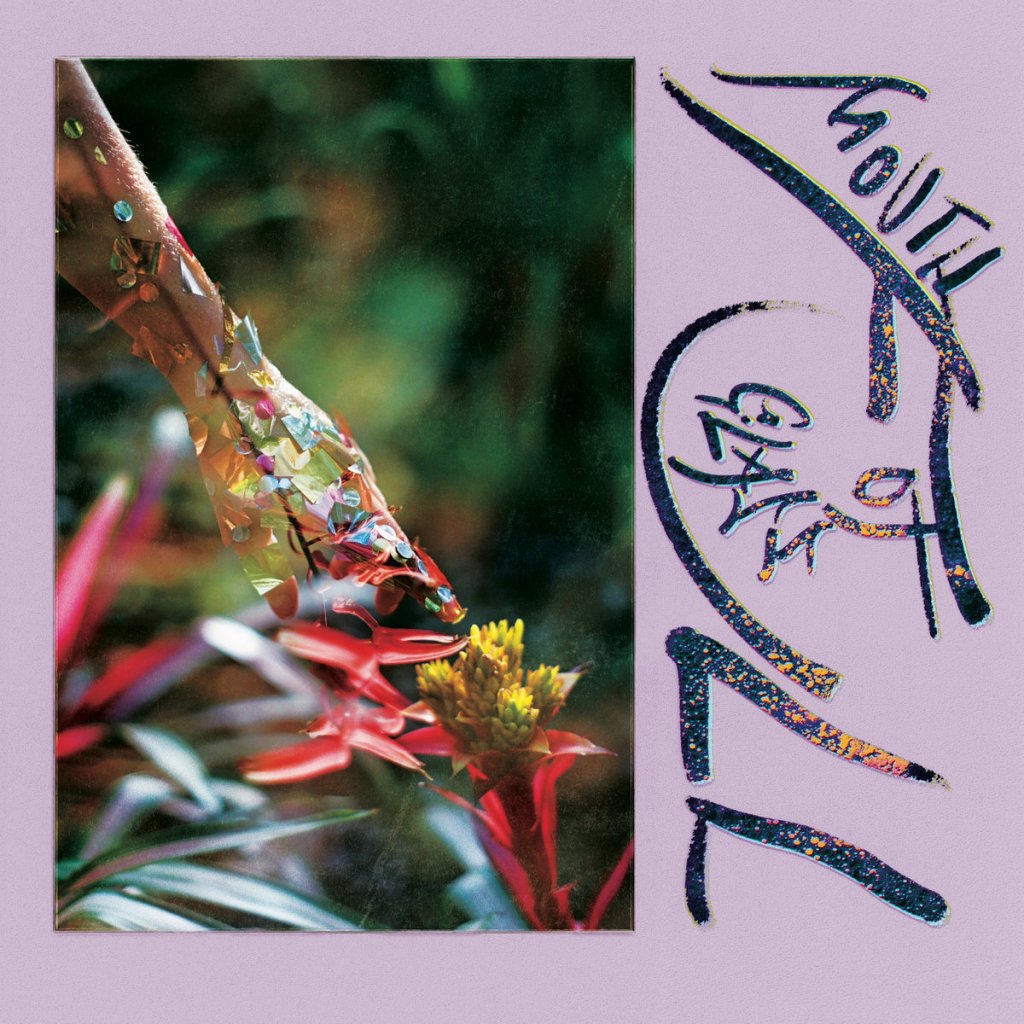
Mouth Full of Glass è un album circolare. Inizia dalla fine con un brano opportunamente intitolato “Finally” in cui Macie Stewart afferma di essere “wrong and know it” e che “finally … learn to tell the truth,, e termina con un brano anch’esso opportunamente intitolato “Wash it Away” in cui Stewart dice che è pronta a “finding the key to get rid of me.” Una progressione circolare attraverso l’individualità, una ricerca di sé, di un posto proprio in un mondo proprio.
Le otto tracce dell’album sono infatti una sorta di messa a fuoco che cancella sbavature e sfumature, e in un certo senso raccontano la storia della stessa Macie Stewart. Nei materiali per la stampa spiega: “Non sapevo chi fossi o come sembrassi come persona.” Dando uno sguardo alla sua carriera musicale, possiamo notare un eclettismo quasi selvaggio: ha iniziato nel collettivo hip-hop Kid These Days, ha suonato free-jazz con i Marker, ha suonato con George Clinton nel concerto per la Rock & Roll Hall of Fame a Cleveland, è stata in una band di folk irlandese, è tutt’ora parte del duo indie-rock Ohmme (con Sima Cunningham), ha realizzato due album sperimentali con l’amica violoncellista Lia Kohl (Pocket Full of Bees e Receipe for a Boiled Egg), e ancora con Lia Kohl, ha contribuito al meraviglioso a softer focus di Claire Rousay all’inizio di quest’anno.
Sebbene questo non sia strettamente un album pandemico (Stewart ha iniziato a lavorarci prima della pandemia), si trova perfettamente a suo agio insieme a altri album intimisti incentrati su una sorta di monologo interiore indotto dall’isolamento, come Time Trails di Flowertown e di prossima pubblicazione If the Celing Were a Kite di April Magazine e Lily We Need to Talk Now di Lily Konigsberg, o gli innumerevoli album ambient per i tempi difficili in cui stiamo vivendo.
Questo album sembra sradicare quella “dipendenza dall’indecisione” che canta in “Garter Snake,” ma senza perdere un briciolo della sua individualità. Al contrario: riducendo tutta la musica a pochi elementi essenziali (voce, chitarra acustica, archi, un sax, un organo) trova la sua strada verso la forma più ricca e piena della sua personalità. Questo è un piccolo e minimale album di bedroom pop maturato in un chamber-folk ordinato ed elegante, lontano dal folk sussurrato di un Sufjan Stevens. Gli arrangiamenti sono minimali ma rotondi e lussureggianti, riempiono ogni spazio senza lasciare vuoti e danno alle canzoni un’aura di risolutezza e completezza. Il sax di Sen Morimoto aggiunge giusto un po’ di punteggiatura alla chitarra pizzicata di Stewart su “Garter Snake,” gli archi arrangiati da Ayanna Woods impreziosiscono la ninna nanna tenue di “Tone Pome,” altrove un synth e un organo appena sfiorati fanno da tappeto per gli esercizi di ginnastica vocale di Macie Stewart. Tutto è al posto giusto, e quel posto è accogliente e ordinato.
english version
Mouth Full of Glass is a circular album. It begins from the end with a track suitably named “Finally” in which Macie Stewart affirms to be “wrong and I know it” and that she “finally … learn to tell the truth,” and it ends with a track also suitably named “Wash it Away” in which Stewart says that she’s ready to “finding the key to get rid of me.” A circular progression through individuality, a search for the self, for a proper place in a proper world.
The eight track of the album are indeed a sort of focusing that obliterates blurs and nuances, and in a sense they tell the story of Macie Stewart herself. In the press materials she explains: “I didn’t know who I was or what I sounded like as an individual.” Taking a look to her musical career, we can see a wild eclecticism: she was part of hip-hop combo Kid These Days, played free-jazz with avant-garde band Marker, played live with George Clinton at the Rock & Roll Hall of Fame Concert for Cleveland, was in an irish-folk band, started the indie-rock project Ohmme with Sima Cunningham, made two experimental album with friend celloist Lia Kohl (Pocket Full of Bees and Receipe for a Boiled Egg), and still with Lia Kohl, contributed to the wonderful a softer focus by Claire Rousay earlier this year.
Although this isn’t strictly a pandemic album (Stewart began to work on it before the pandemic) , it fits fine in company of other intimate albums focused on a sort of isolation induced interior monologue, such as Flowertown’s Time Trails and the soon to be released April Magazine’s If the Celing Were a Kite and Lily Konigsberg’s Lily We Need to Talk Now, or the countless soothing ambient albums for the troubled times we ‘re living in.
This album seems to eradicate that ‘addiction to indecision’ she sings on “Garter Snake,” but without losing a iota of her individuality. On the contrary: reducing all the music to few essential elements (voice, acoustic guitar, arcs, a sax, an organ) she finds her way to the richest and fullest form of her personhood. This is a tiny and minimal bedroom pop album ripened in an tidy and elegant chamber folk, far from the whispered folk of, say, Sufjan Stevens. The arrangements are minimal but lush and rounded, they fill every empty space leaving no void and give the songs an aura of single-mindedness and completeness. Sen Morimoto’s sax adds just a little punctuation to Stewart’s plucked guitar on “Garter Snake,” the strings arranged by Ayanna Woods embellish the soft lullaby of “Tone Pome,” elsewhere a barely touched synth and organ serve as a background for Stewart’s vocal gymnastics. Everything is in the right place, and that place is cozy and tidy.
 listening wind