| english version | vai alla versione italiana |
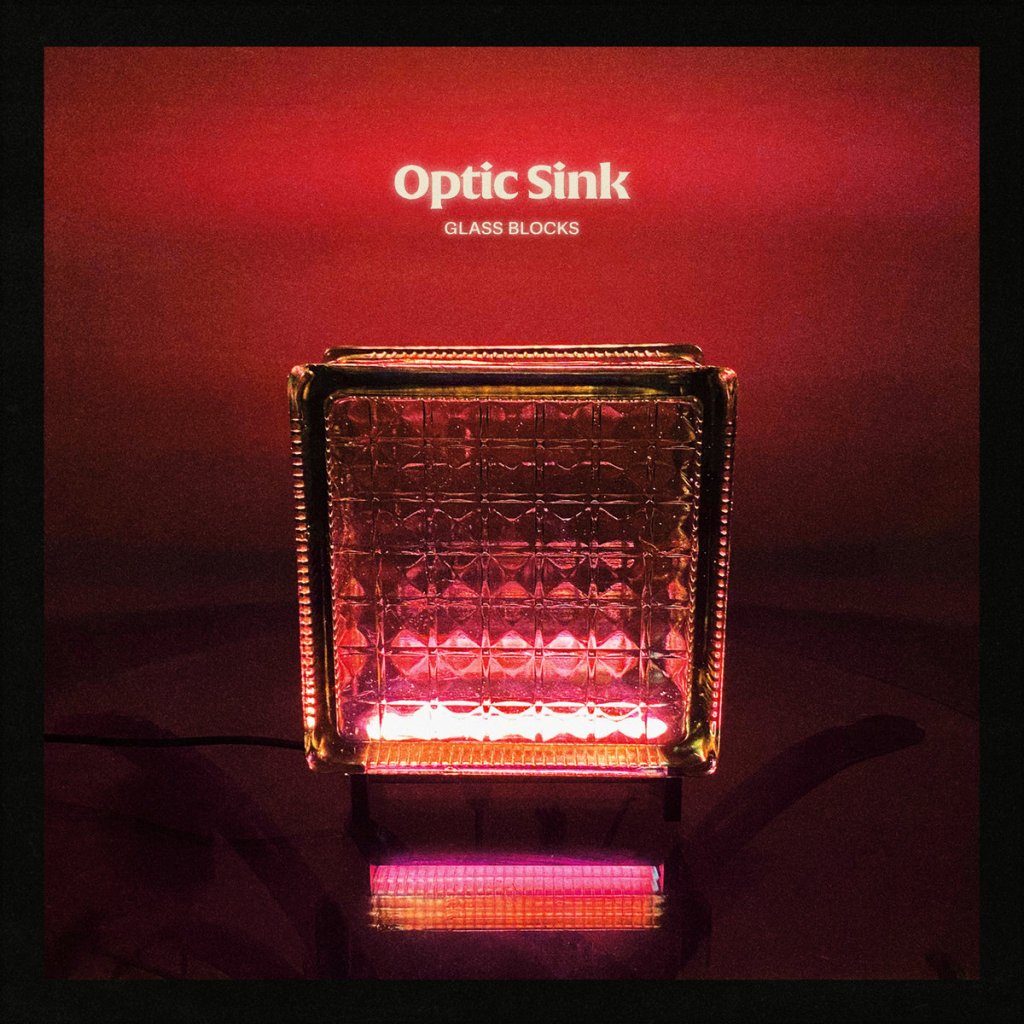
Nathalie Hoffmann was still just the guitarist of NOTS when during an artistic residence at Crosstown Arts she came into contact with the synth-punk reinassance. Attracted by the freedom and authenticity of those analog electronic sounds, as DIY and retro as they were anarchic and highly expressive, she calls Ben Bauermeister, genius synth loci, and together with him and bassist Keith Cooper she gives life to Optic Sink. The debut album, released three years ago for Goner Records, was already an excellent example of the synth-punk aesthetic that was taking shape around events such as the Big Ears Festival in Knoxville and the Memphis Concréte, which took place in Crosstown Arts. It is precisely there that the label “New Weird South” is being used to identify a handful of artists whose aim was to “bridge some previous musical experience with the new freedoms of electronically oriented sounds.” (Linda Heck, Tetras, Revenge Body, Eve Maret). Three years later, Optic Sink are back with a more refined and aware sound and with an album, Glass Blocks, recorded in Lawrence, Kansas, in the studios of Caulfield Schnug of Sweeping Promises, and promptly released by Feel It Records (Smirk, Silicone Prairie, Private Lives). The dark atmospheres of the previous album are attenuated a bit, but intact is that tension between rationality and anarchy, between mechanical and human. You can really feel Caulfield Schnug hand, and not only in the initial moog of “Modelesque”: the sounds are rougher but more controlled, the New Wave-ish tracsk, such as “Kaleidoscope,” “Summertime Rain” and the minimalist “Nowhere Home, ” are supported by a punchy bass and solid synth tolls, approaching the main path forged by early Simple Minds, OMD and above all the Berlin-era Bowie (under the commands of General Eno) . Elsewhere the more punk component is accentuated, as in the B-52-esque “Live Illusion” and on the much guitar-oriented “A Face in the Crowd,” and it explodes in all its explicit devotion in the cover of “A Silver Key Can Opera an Iron Lock , Somewhere” by Liliput. Glass Blocks is a great synth-punk album, a record that combines perfectly humanity and robotic rhythms, punk anthems and new wave coldness.
| versione italiana | go to English version |
Nathalie Hoffmann era ancora solo la chitarrista delle NOTS quando nel mezzo di un tirocinio artistico a Crosstown Arts entra in contatto con la rinascita del synth-punk. Attratta dalla libertà e autenticità di quei suoni elettronici analogici, tanto DIY e retrò quanto anarchici e fortemente espressivi, chiama Ben Bauermeister, genius synth loci, e insieme a lui e al bassista Keith Cooper dà vita al progetto Optic Sink. Il disco d’esordio, uscito tre anni fa per Goner Records, era già un ottimo rappresentante dell’estetica synth-punk che stava prendendo forma attorno a eventi quali il Big Ears Festival di Knoxville e il Memphis Concréte, organizzato proprio a Crosstown Arts. E proprio qui che si inizia a parlare di New Weird South e usare quest’etichetta per identificare un pugno di artisti il cui scopo era quello di “unire alcune esperienze musicali del passato con le nuove libertà dei suoni orientati verso l’elettronica” (Linda Heck, Tetras, Revenge Body, Eve Maret). A distanza di tre anni gli Optic Sink tornano con un suono più affinato e consapevole e con un disco, Glass Blocks, registrato a Lawrence, in Kansas, negli studi di Caulfield Schnug degli Sweeping Promises, appena uscito per Feel It Records (Smirk, Silicone Prairie, Private Lives). Le atmosfere tendenti al dark del precedente disco si attenuano un po’, ma resta intatta quella tensione tra razionalità e anarchia, tra meccanico e umano. La mano di Caulfield Schnug si fa sentire, e non solo nel moog iniziale di “Modelesque”: i suoni sono più ruvidi e controllati, i pezzi più New Wave, come “Kaleidoscope,” “Summertime Rain” e la minimalista “Nowhere Home,” si reggono su un basso peso e solidi rintocchi di synth, avvicinandosi alla strada maestra battuta dai primi Simple Minds, OMD e soprattutto il Bowie berlinese ai comandi di Eno. Altrove viene accentuata la componente più punk, come nella B-52-esca “Live Illusion” e su “A Face in the Crowd,” fino a esplodere in tutta la sua esplicita devozione nella cover di “A Silver Key Can Opera an Iron Lock, Somewhere” delle Liliput.
 listening wind