versione italiana
Siamo nell’epoca del recupero, e basta guardare il lavoro di ricerca e rivalutazione che fanno etichette come Numero Group, Light in the Attic, Antiquated Future o RVNG Intl che hanno dissotterrato dall’oblio dischi come Sync or Swim dei The Same, Turn my Dial dei Tangled Shoelace o Mios del progetto Synergetic Voice Orchestra di Yumiko Morioka, e la lista potrebbe continuare con Leslie Winer, Mark Freedman, Robert Cotter, Michele Mercure e tanti altri.
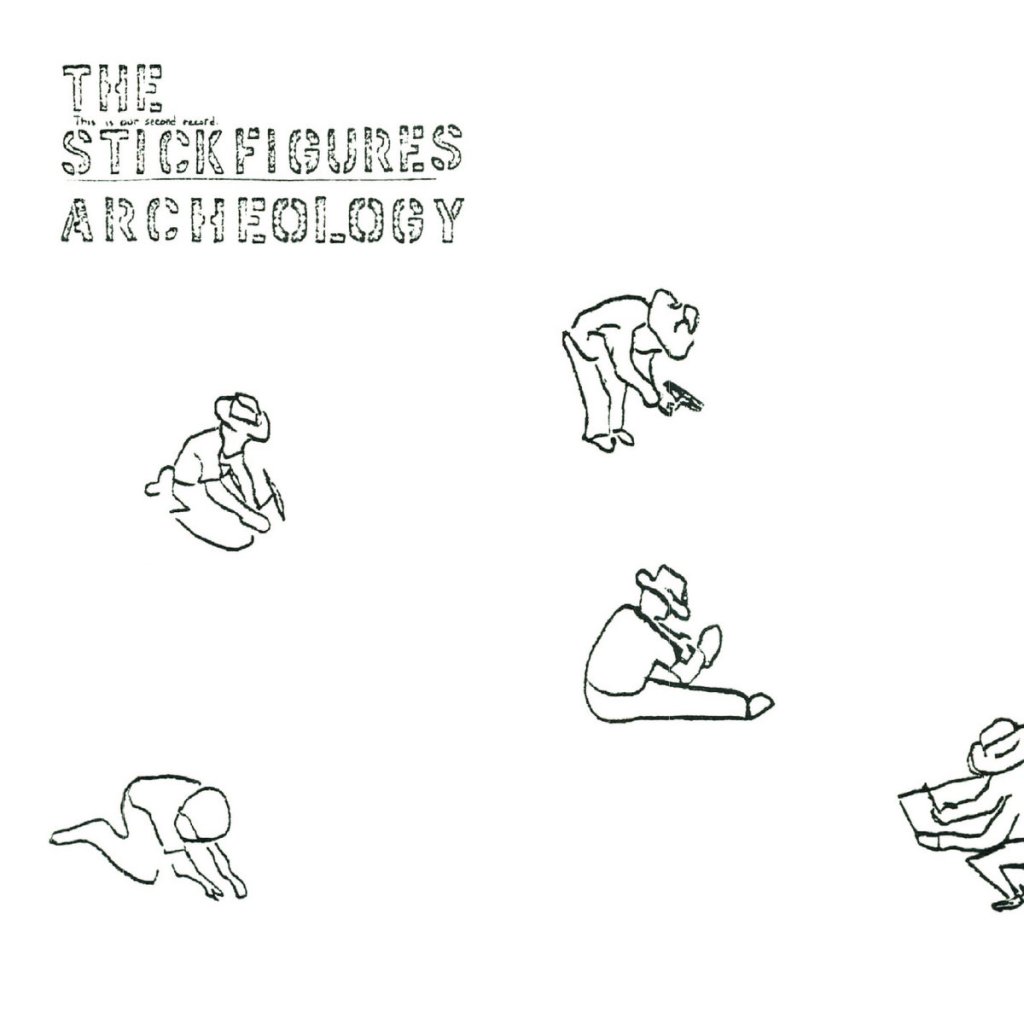
A tutto questo si aggiunge il lavoro appena iniziato da Floating Mill, etichetta con sede a Pittsburgh anch’essa espressamente dedicata al recupero di dischi che nel passato sono stati soffocati dal mainstream dell’epoca. Primo titolo appena pubblicato da Floating Mill è Archeology dei The Stick Figures, band formata da un manciata di ragazzi di Tampa, Florida, a malapena ventenni ( i fratelli David e Rachel Bowman, i fratelli Robert e Sud Dansby e Bill Carey). Tra il 1980 e il 1981 registrano un buon numero di demo, arrivando a realizzare un solo Ep di quattro pezzi. Si guadagnano un bell’apprezzamento da parte di Gary Sperazza! per il New York Rocker, una recensione su Dublin’s Hot Press, aprono qualche concerto per i Lounge Lizard e per i Fall e arrivano anche alle orecchie di John Peel, che in effetti li passa in radio, ma poi basta, spariscono nel nulla.
E nel nulla restano fino a oggi, giorno in cui quell’ep fa il suo debutto in società per Floating Mill che pubblica quei quattro pezzi di quel primo ep, più una mezza dozzina di inediti, un paio di pezzi live, e un remix. Qui si respira il post-punk di quando il post-punk era un genere nuovo e di belle aspettative, quando fare post-punk significava rompere regole e cliché del rock classico e non ripeterle a pappagallo per un pubblico anestetizzato, siamo cioè un attimo prima che nascessero etica e estetica DIY. Sentire questi pezzi sembra quasi di sentire i Blondie che suonano con i Red Crayola o a volte anche con i Funkadelic che fanno il verso a Captain Beefheart, con tanto di testi che spesso flirtano col nonsenso e il demenziale.
“N Light” è già una prima applicazione della lezione dei ritmi africani di Fela Kuti e della musica “quartomondista” di Jon Hassel al punk, “September” ha le aperture ariose di certa new wave che strizza l’occhio al pop, ma ha anche quella qualità grezza, casalinga a bassa fedeltà che la rende autentica e affascinante. Lo stesso accade a pezzi come “Green” e “Yesterday” (Blondie allo stato grezzo), o “Everplayed” (versione leggermente più luminosa di Lydia Lunch). Ma al di là di riferimenti che possono al massimo dare delle coordinate approssimative, gli Stick Figures hanno tutta la personalità che si può chiedere a un gruppo post-punk in piena era post-punk: sono intransigenti, incendiari, genuini, insomma tutto quello che manca al post-punk modaiolo odierno.
english version
We are in the era of recycling and refurbishing, and for an evidence we have just to take a quick look at the digging work done by labels like Numero Group, Light in the Attic, Antiquated Future or RVNG Intl, which have unearthed such gems like Sync or Swim by The Same, Turn my Dial by Tangled Shoelaces, Mios by Yumiko Morioka’s Synergetic Voice Orchestra and the list could go on with Leslie Winer, Mark Freedman, Robert Cotter, Michelle Mercure and many others.
To all this now we can add the work just started by Pittsburgh based label Floating Mill, also expressly dedicated to the recovery of albums that in the past have been stifled by the mainstream of the time. The first title just released is Archeology by The Stick Figures, a band made up of a handful of young guys from Tampa, Florida, barely 20 years old (siblings David and Rachel Bowman, siblings Robert and South Dansby plus Bill Carey). Between 1980 and 1981 they recorded a fair amount of demos, releasing only a four-tracks Ep with which they earned a valuable appreciation from Gary Sperazza! who wrote briefly about them on the New York Rocker and a review on Dublin’s Hot Press. They opened a few concerts for Lounge Lizard and Fall and reach John Pee’s ears, who actually played them on his radio program, apparently reach Kevin Shields ears too, who borrowed from Bill Carey the whammy guitar work on You Make Me Realise, but that’ it: they helped shoegaze to born and then disappeared into the void.
And into that void they remained until today, the day in which that ep makes its debut in society for Floating Mill which publishes that first 4 tracks, plus half a dozen unreleased demos, a couple of live songs, and a remix. Here you can breathe the post-punk of when post-punk was a new genre with high expectations, when doing post-punk meant breaking the rules and clichés of classic rock and not parroting them for an anesthetized audience, in short: we are at the very moment DIY ethics and aesthetics were born. Hearing these songs almost seems like hearing Blondie playing with Red Crayola, or Funkadelic covering some Captain Beefheart song, complete with lyrics that often touch dada and nonsense.
“N Light” is already a first example of how Fela Kuti’s African rhythms and Jon Hassel’s “fourth-world” music can enter punk music, “September” has the airy tunes of a the new wave that winks at pop, but has even that raw, lo-fi, homely quality that makes it authentic and charming. The same happens to tracks like “Green” and “Yesterday” (Blondie at its rawier state), or “Everplayed” (a slightly brighter version of Lydia Lunch). But beyond references that can at best give some approximate coordinates, the Stick Figures have all the personality that you can ask for in a post-punk band in the midst of the post-punk era: they are uncompromising, incendiary, genuine, in short: they’re everything that is missing from today’s fashionable post-punk.

